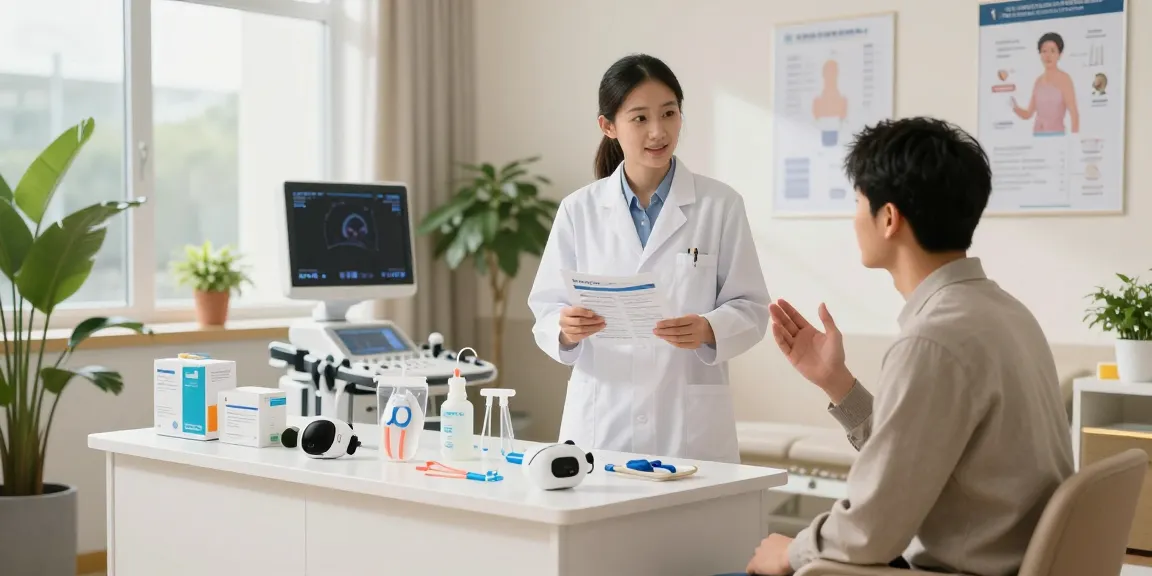
Understanding Urological Products and Their Importance
Urological products encompass a wide range of medical devices and solutions designed to assist individuals suffering from various urological conditions. These products are essential in managing and treating conditions related to the urinary system, including bladder control issues, urinary tract infections, and chronic kidney diseases. When exploring options, urological products provide comprehensive insights into how technology is evolving to enhance patient care and wellbeing.
What Are Urological Products?
Urological products include a variety of devices and consumables such as catheters, incontinence pads, drainage bags, and other supportive items that assist individuals with urinary disorders. These products are tailored to meet the specific needs of patients, ensuring comfort, effectiveness, and enhanced quality of life. Innovations in this field focus on improving usability and minimizing discomfort, thereby empowering patients to manage their conditions more effectively.
Key Benefits of Urological Solutions
- Enhanced Quality of Life: Effective urological products significantly improve the daily lives of patients by reducing urinary incontinence, enabling them to engage in social activities without fear of accidents.
- Increased Independence: Many urological products are designed to allow patients to self-manage their conditions, reducing reliance on caregivers and promoting autonomy.
- Improved Health Outcomes: Quality products can help prevent complications from urological issues, such as infections and further deterioration of health.
Insights into Patient Needs and Expectations
Understanding the needs and expectations of patients is vital for the development of effective urological products. Patients often seek products that are not only functional but also comfortable and discreet. Increased awareness and education about these products can lead to better adoption rates and overall satisfaction among users. Feedback from patients plays a crucial role in guiding manufacturers towards innovative solutions that cater to real-world challenges.
Evaluating the Cost-Effectiveness of Urological Products
When considering urological products, it is essential to evaluate their cost-effectiveness. While the upfront costs may vary, the long-term benefits can greatly outweigh initial investments. Patients and caregivers must analyze not only the price but also the value these products bring to their lives.
Analyzing Price vs. Value in Urological Care
In urological care, price does not always equate to quality. While high-end products often feature advanced technologies and materials, budget options can still provide adequate support. Conducting a thorough analysis of product effectiveness, patient feedback, and durability can help determine the true value of these products over time.
Long-term Health Benefits of Investing in Quality Products
Investing in high-quality urological products can lead to significant long-term health benefits. Quality products often minimize the risk of complications, such as urinary tract infections or skin irritations, associated with poorly designed alternatives. Patients who prioritize their health through better products can experience fewer hospital visits and reduced medical expenses over time.
Comparative Analysis: High-end vs. Budget Options
When evaluating urological products, it is beneficial to compare high-end and budget options. High-end products typically incorporate the latest technologies, providing superior comfort and performance. However, many budget options can effectively fulfill basic needs without excessive costs. Patients should consider their specific requirements, lifestyle, and budget when making their choice, ensuring they select a product that best fits their situation.
Innovations in Urological Products for 2026
The urological products market is undergoing significant transformations as innovations continue to emerge. As we approach 2026, developments in this field promise to enhance patient care and improve quality of life for those affected by urological conditions.
Trends Shaping the Future of Urological Devices
- Smart Technology: The integration of smart technology into urological devices, such as app-connected catheters, is on the rise. These innovations allow for real-time monitoring and data collection, improving patient outcomes.
- Sustainability: With a growing emphasis on environmental responsibility, manufacturers are adopting sustainable materials and practices, creating eco-friendly urological products.
- Customization: Personalized urological solutions tailored to individual needs and preferences are becoming more prevalent, allowing for improved patient satisfaction and adherence to treatment.
New Technologies and Their Impact on Patient Care
Emerging technologies, such as 3D printing and advanced materials, are revolutionizing the production of urological products. These innovations enable manufacturers to create bespoke solutions that fit the unique anatomy of individual patients, enhancing comfort and effectiveness. Additionally, telehealth solutions are facilitating remote consultations and patient monitoring, ensuring continuous support and guidance.
Patient-Centric Solutions: Enhancements in Comfort and Usability
Future innovations are expected to prioritize patient comfort and usability. Products designed with ergonomics in mind will be crucial in ensuring that patients can use them with ease. User-friendly designs that minimize the complexity of setup and application will encourage better adherence to treatment regimens, ultimately leading to better health outcomes.
Challenges and Misconceptions Related to Urological Products
Despite the advancements in urological products, there are notable challenges and misconceptions that patients face. Addressing these issues is essential for promoting better understanding and acceptance of these essential medical aids.
Common Myths About Urological Devices
- Myth 1: Urological products are only for older adults.
- Myth 2: Using urological products is embarrassing.
- Myth 3: All urological devices are uncomfortable and difficult to use.
By dispelling these myths, patients can feel more empowered to seek the solutions they need without stigma or embarrassment.
Obstacles Patients Face When Choosing Products
Patients frequently encounter obstacles when selecting urological products, including limited information and guidance from healthcare providers. Many patients may feel overwhelmed by the range of options available and require support in making informed decisions. Healthcare professionals play a critical role in helping patients navigate these choices, providing recommendations based on individual needs.
Expert Insights: Overcoming Barriers to Optimal Care
Healthcare practitioners must adopt a patient-centered approach to overcome barriers in urological care. This includes actively engaging patients in discussions about their needs and preferences, providing comprehensive education on available products, and ensuring access to quality options that fit within their lifestyle. Building trust and open communication can significantly enhance the patient experience.
Future Trends in Urological Product Development
As we look forward to the future, ongoing research and development in urological products are anticipated to yield groundbreaking advancements that further improve patient care.
Emerging Technologies to Watch in Urology
Several emerging technologies are set to impact the urological product landscape significantly. Areas such as artificial intelligence for predictive analytics and machine learning algorithms to analyze patient data will revolutionize diagnostic processes and treatment personalization. These technologies promise to enhance patient outcomes dramatically by enabling proactive management of urological health.
Potential Shifts in Manufacturer Strategies
Manufacturers are likely to shift their strategies toward a more patient-centric model. Emphasizing collaboration with healthcare professionals and patients in the product development process can lead to solutions that better meet the needs of end-users. This collaborative approach will foster innovation and ultimately lead to improved health outcomes.
Maximizing Patient Outcomes: A Collaborative Approach
Collaboration between healthcare providers, manufacturers, and patients is crucial in maximizing the efficacy of urological products. Regular feedback from patients can inform manufacturers about the performance of their products, leading to continuous improvement. Moreover, healthcare providers can play a pivotal role in facilitating discussions around product usage, ensuring that patients receive the support and education they require.
What are the most common urological products available?
Common urological products include urinary catheters, incontinence pads, drainage bags, and bladder control medications. Each of these products serves a specific purpose in managing various urological conditions and enhances the quality of life for patients.
How do urological products improve patient quality of life?
Urological products improve patient quality of life by offering solutions that manage symptoms effectively, providing comfort and dignity, and allowing individuals to engage in daily activities without fear of incontinence or other related issues.
What factors should be considered when selecting urological products?
When selecting urological products, patients should consider factors such as their specific medical condition, comfort and usability of the product, cost-effectiveness, and any recommendations from healthcare professionals. Personal preferences also play a significant role in making the right choice.
Are there any notable innovations in urological care expected by 2026?
By 2026, notable innovations in urological care are expected to include advancements in telehealth services, smart home medical devices, and personalized treatment options that leverage data analytics for better patient outcomes.
How do healthcare professionals evaluate the effectiveness of urological products?
Healthcare professionals evaluate the effectiveness of urological products by assessing patient feedback, monitoring clinical outcomes, and comparing the performance of different products based on scientific research and trials. Continuous education and awareness of the latest advancements in the field are also crucial for healthcare providers.